

Broken Arrow Skyrace Triple Crown – Three Days in Tahoe
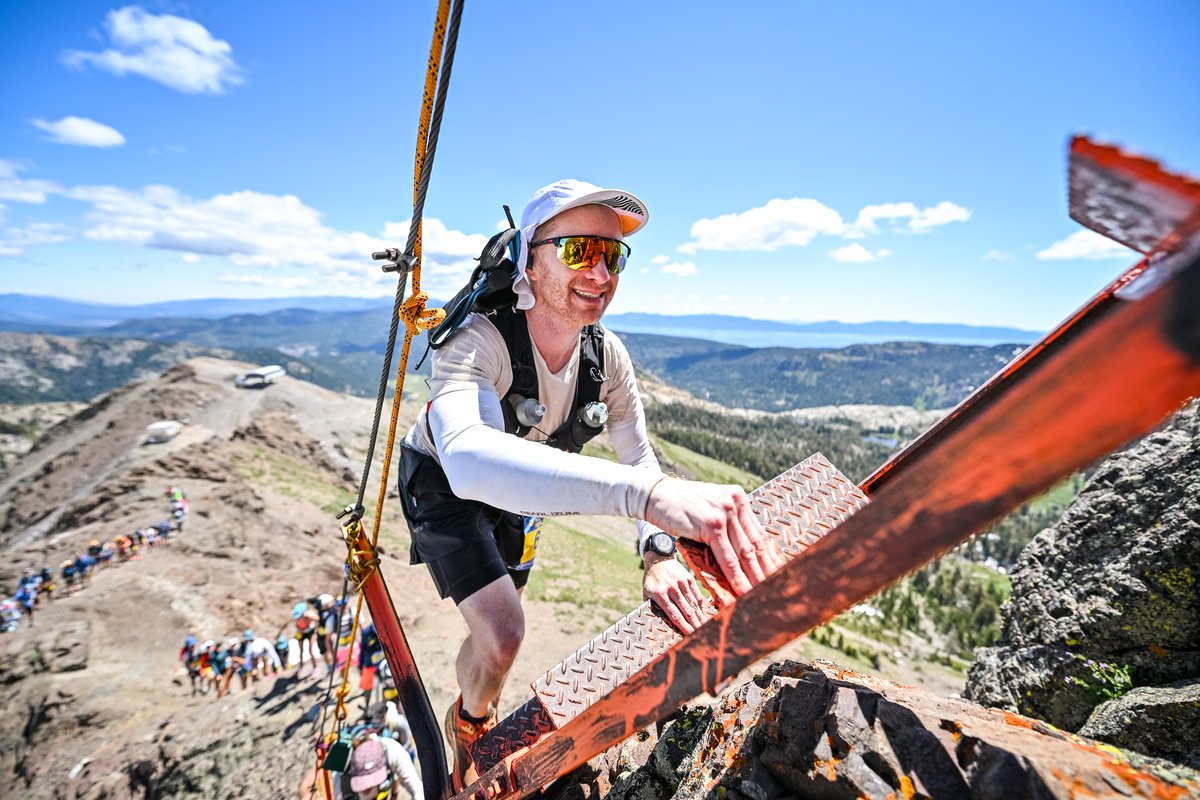
The Broken Arrow Skyrace Triple Crown is three consecutive days of racing above Palisades Tahoe in the Sierra Nevada: The Ascent, a one-way vertical climb on Friday, the 46k on Saturday, and the 23k on Sunday. Combined, it's roughly 72k with over 15,000 feet of climbing across high-alpine terrain that includes steep slabs, scree, snow slopes, and the race's signature iron ladder to the top of Washeshu Peak.
For the 2025 edition (the event's 10th anniversary), Saturday threw something at the field that no one was fully prepared for, a powerful & quick-moving winter storm that resulted in only about 160 runners "officially" finishing the 46k event.
Overall, the three days of racing at elevation, a thunder-snow storm that shut down the 46k mid-race, and great village vibes created some of the more memorable experiences I've had in the mountains in a long time. Worth every mile of the flight from New York.
Overview
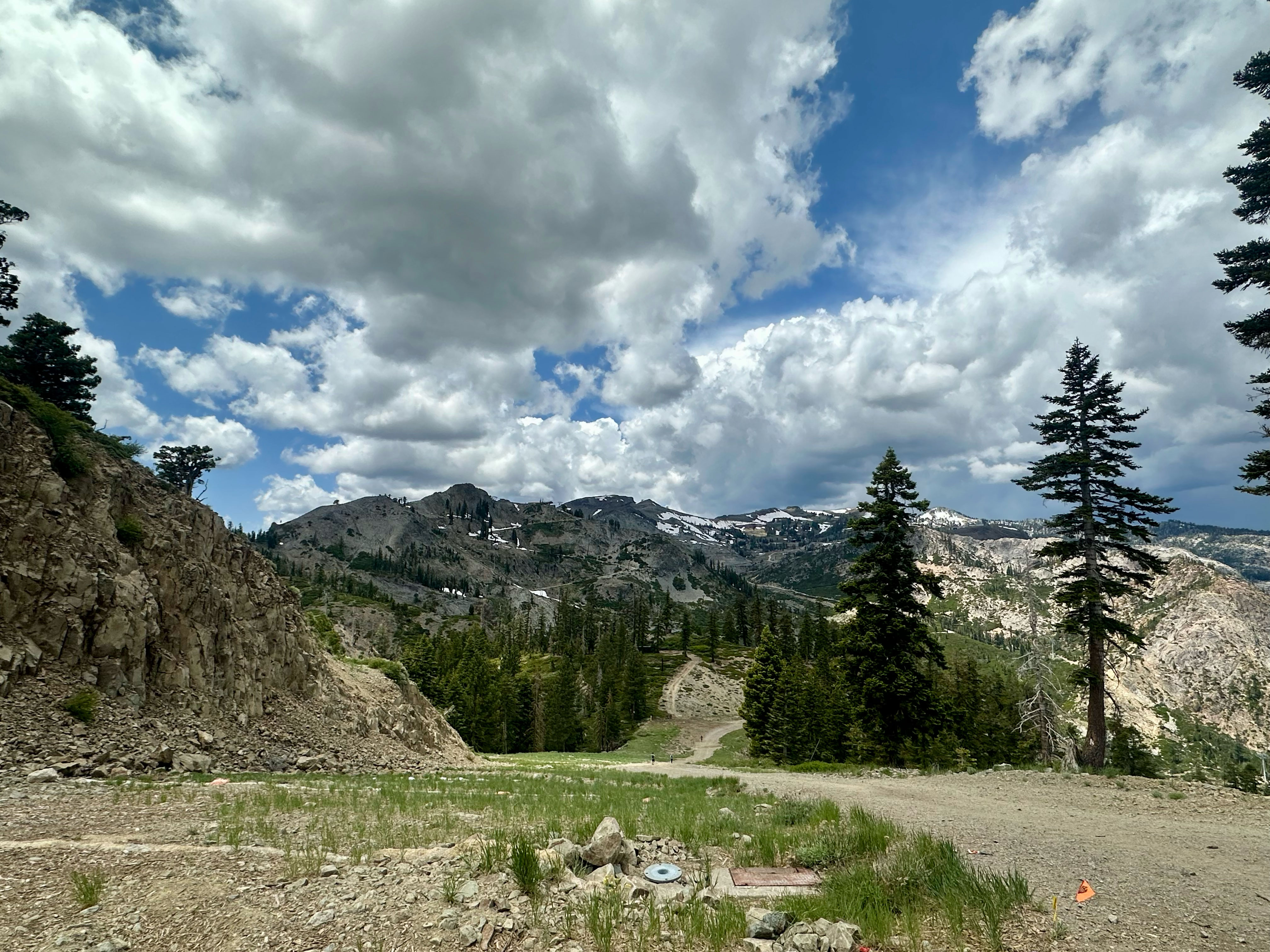
The Broken Arrow Skyrace is staged out of Palisades Tahoe Village in Olympic Valley, California, at about 6,200 feet. The venue is the start and finish for all three races, which makes the logistics unusually clean for a multi-day event. You can stay in the village, walk to the start line, and be back at your room within an hour of finishing each day.
The Triple Crown combines the Ascent (a roughly 5k point-to-point climb from the valley floor to the summit), the 46k (28.1 miles, two loops, 9,000 feet of gain), and the 23k (14.25 miles, one loop, around 4,500 feet of gain). The cumulative climbing is serious even if no single day is overwhelming on its own. The course runs across Red Dog Ridge, Emigrant Pass, and up to Washeshu Peak, with the "Stairway to Heaven" ladder providing the most memorable single feature of the weekend. Much of the course is above treeline and fully exposed to sun and weather.
The race draws a legitimate international field. The Golden Trail World Series sends points through the 46k, and the 2025 prize purse was substantial. But the Triple Crown draws a different crowd than the elite-only waves: serious recreational mountain runners who want three days of hard racing in a genuinely spectacular setting. With only 200 Triple Crown spots available, it's a smaller subset of a larger pack that results in a feeling of camaraderie and shared experience out on the course.
Trail Conditions & Weather
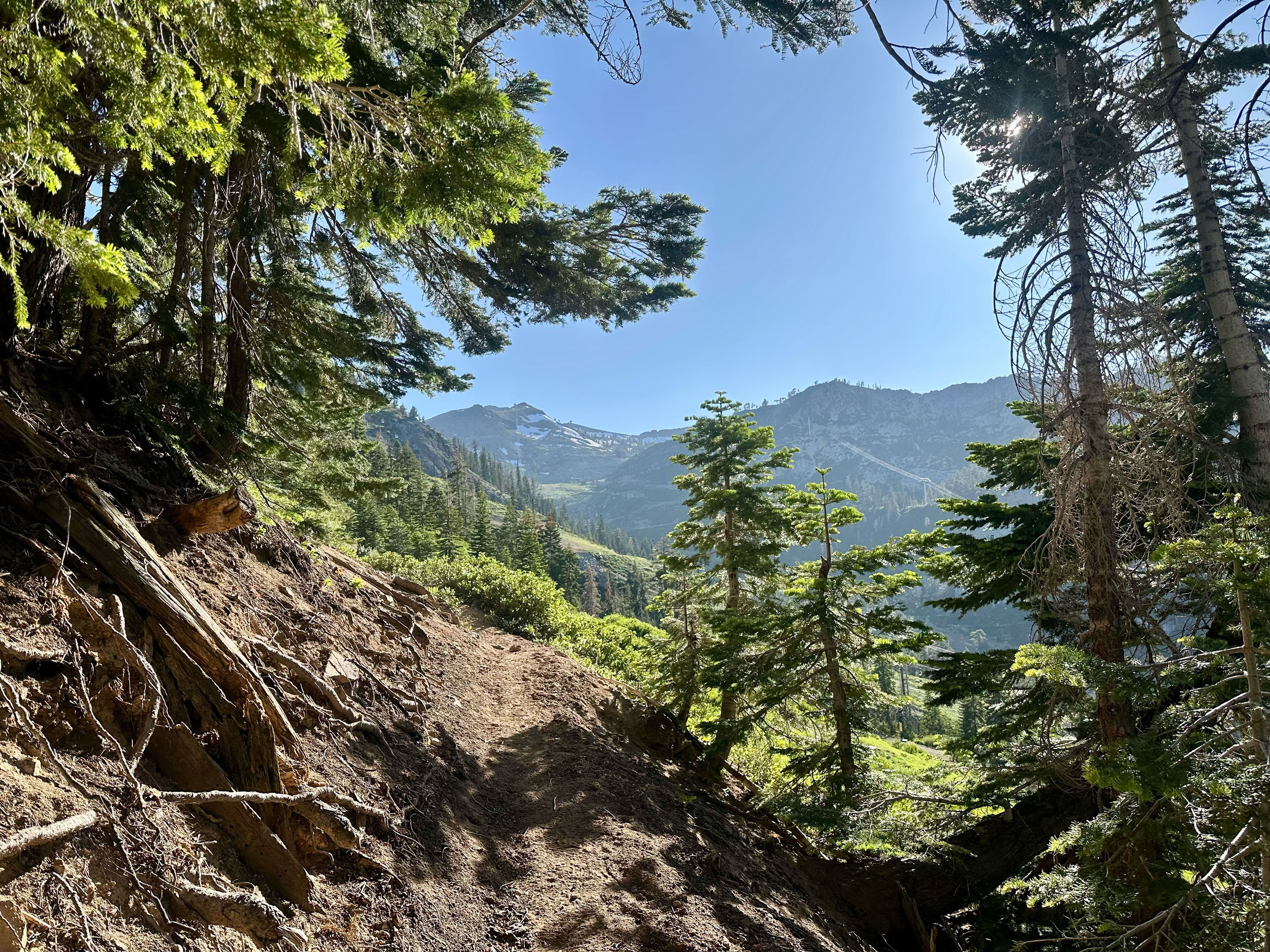
The terrain reads differently than anything in the Northeast. The climbs are sustained but not savage by Adirondack or White Mountain standards, and most of the technical sections are runnable by mountain race standards. What changes the calculus is the altitude and the exposure. The course sits between 6,200 and 9,000 feet for most of its length, and above the treeline there is nowhere to hide from the sun or the wind.
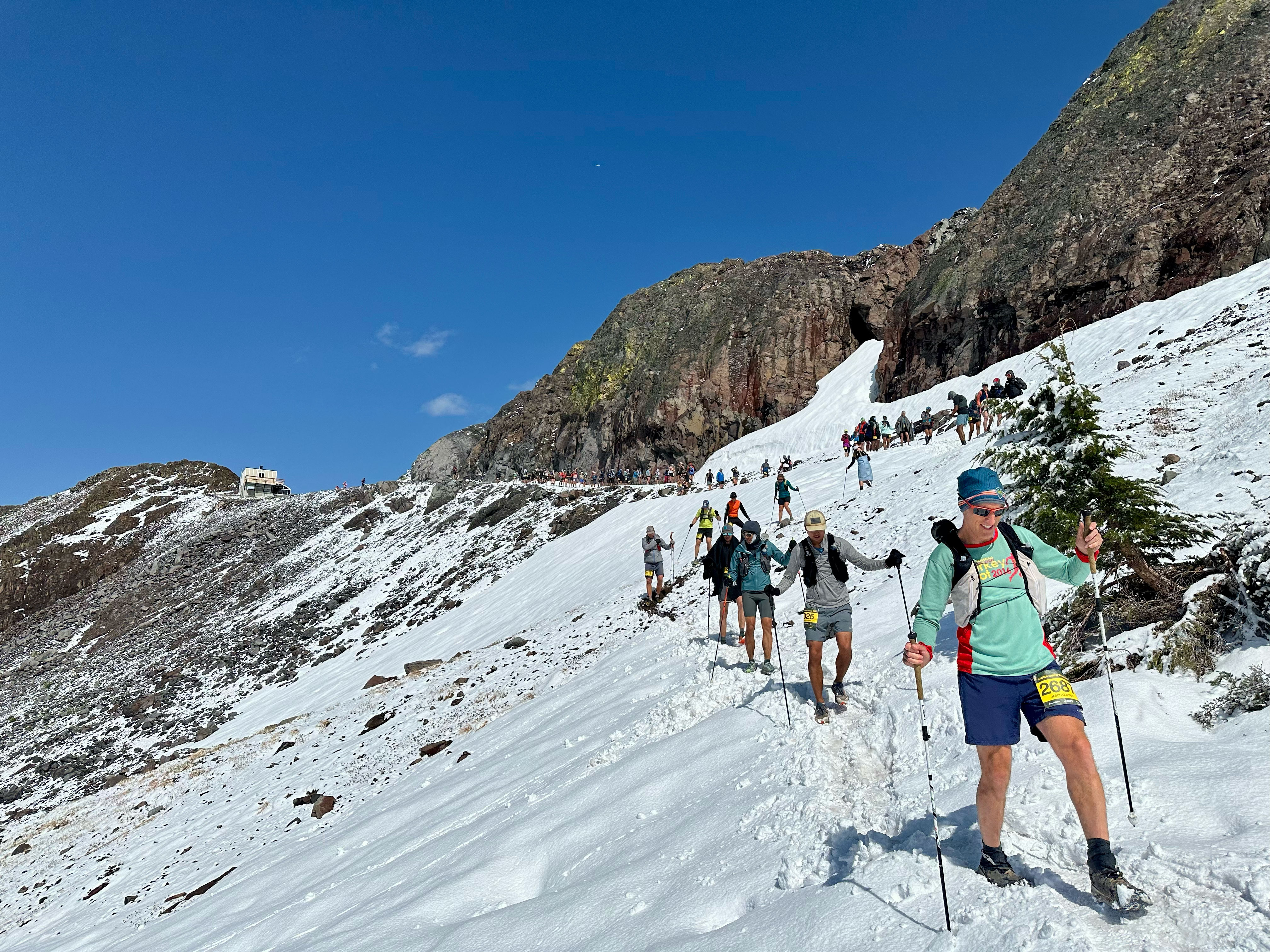
Friday and Sunday were both clear and warm, with temperatures in the low-to-mid 60s and some winds on the exposed ridges. Saturday started the same way and then did not stay that way. The thunder-snow event that rolled through mid-race on the 46k turned the high alpine from summer to winter inside of an hour. By the time runners were sheltering at the Headwall lift station, the surrounding peaks had gone from bare rock and wildflowers to several inches of snow. Sunday the snow was gone entirely. Three very different days on identical terrain.
Day 1: Thursday - Bib Pickup & Shakeout
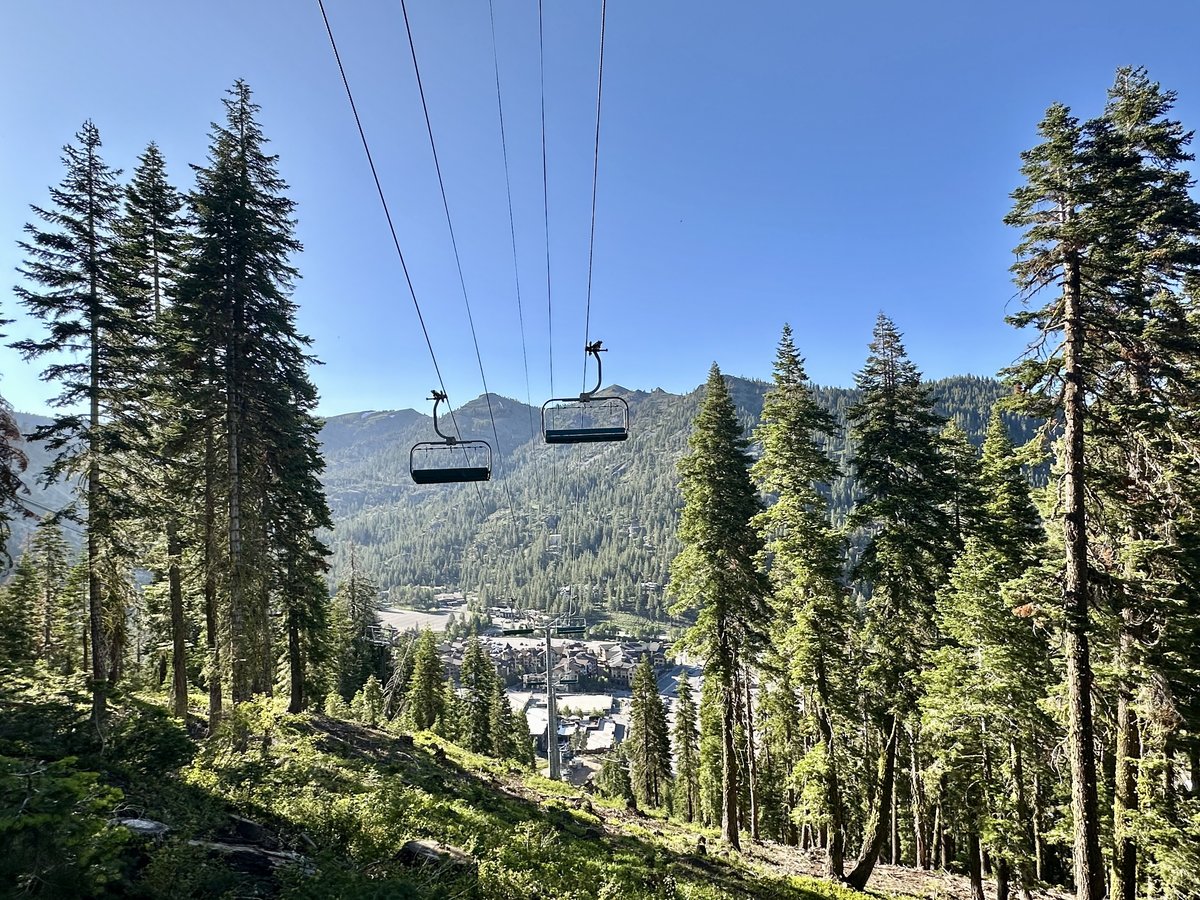
I flew into Reno and took an Uber to the village, which I regretted when I realized how much easier a rental car would have made getting around. The village sits at the base of the mountain and the whole event infrastructure, bib pickup, sponsor area, finisher bell, is built around the plaza there. However, staple items like groceries are down the mountain in Truckee. Getting an Uber from the airport is easy enough, getting out at the resort is harder and much more expensive.
I picked up my bib early in the day as soon as they opened. In retrospect, should have waited until later to give the team some time to dial in, the lines were long ad it was a it chaotic. The swag bag at Broken Arrow is remarkable, the 2025 was once again sponsored by Salomon and they delivered, a jacket, mid-layer, t-shirt, backpack, and much more.
Later in the day I joined a Salomon shakeout run to test out the terrain, clear my mind, and test how my legs felt at elevation. The honest answer was: fine, but not great. Sleep at altitude had already taken a hit, and I was aware that whatever I had in the tank going into Friday was going to be the baseline for all three days.
Day 2: Friday - The Ascent
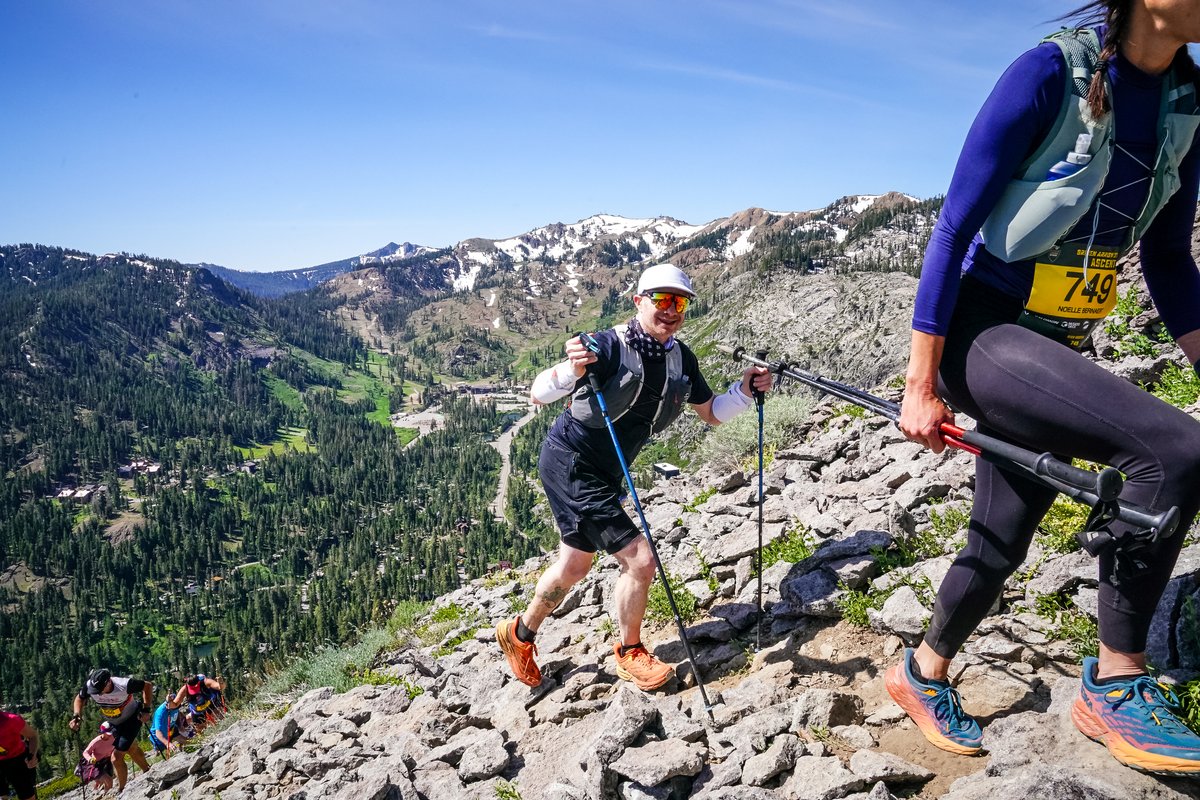
The original Ascent route to Washeshu Peak was rerouted the morning of the race due to gale-force winds at the summit. The revised course topped out at KT-22, cutting the climb to about 2.15 miles and 1,800 feet of gain. I did a quick warm-up lap around the parking lot before the start, less to warm up and more to confirm that my legs would actually move at this altitude. They would.
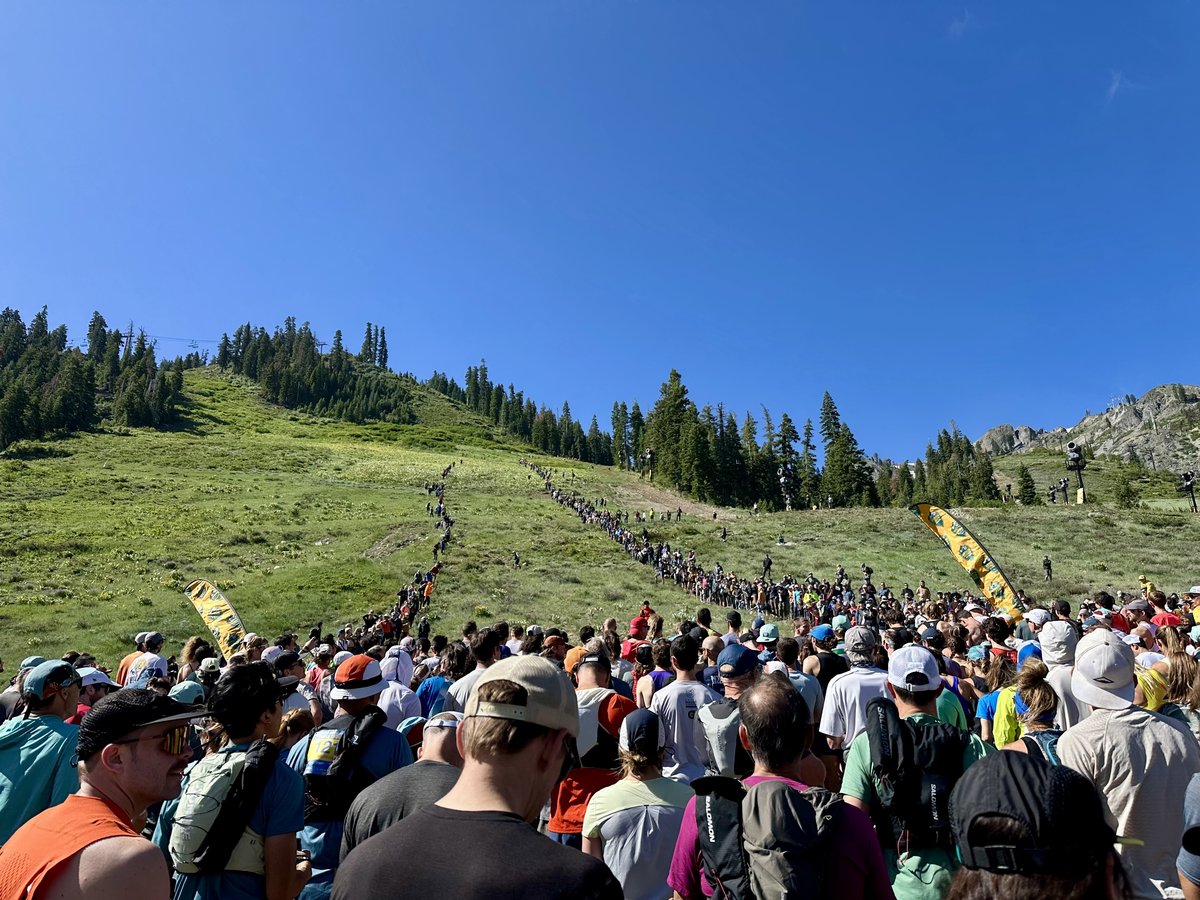
As I was hanging out at the start, I watched the pro contingent warming up and Kilian Jornet walked by me in the crowd. A fun moment, for sure - this one is a real mountain race with the pros you know and love toeing up shoulder-to-shoulder alongside you.
The only mistake I made was my starting position for the Ascent. I positioned myself too far back in the field and spent most of the early climb stuck in a slow-moving queue that had no room to pass. The ascent is steep enough that you are not running regardless of where you start, but I could have been moving considerably faster with better positioning.
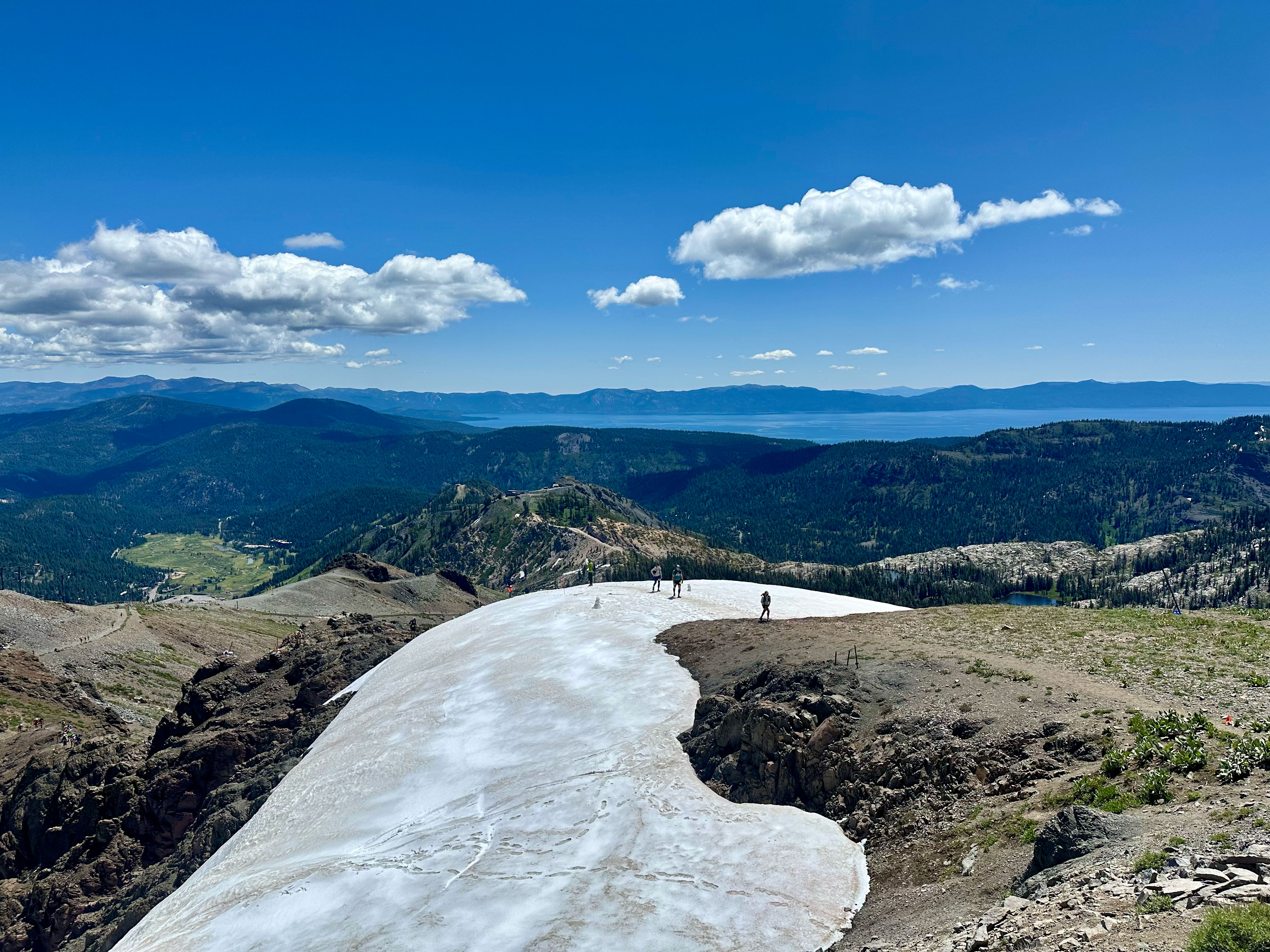
The view from KT-22 was worth the traffic. Snow still clung to the north-facing bowls at the summit and the valley stretched out several thousand feet below. After crossing the finish line at the summit, I hung out for awhile and chatted with other runners. Eventually, I ran the descent back to the base and hit a few soft snow fields along the way where glissading was the obvious and fun choice.
Day 3: Saturday - The 46k & the Storm
Saturday started as a great day for mountain running. Clear skies, warm but not hot. Two loops to complete the full 46k course, with access to a drop bag at the Village aid station between laps.
The first loop had the usual mass-start chaos. Several miles of singletrack early in the course bunched the field up badly, and there was a lot of passing and jockeying before things spread out closer to the first big climb of the day. I was moving reasonably well, managing my effort, aware that I had another loop and another full race day still ahead of me. On my final descent back into the Village at the end of lap one, the race leaders came flying by from behind. They were on their way to the finish line. I was halfway.
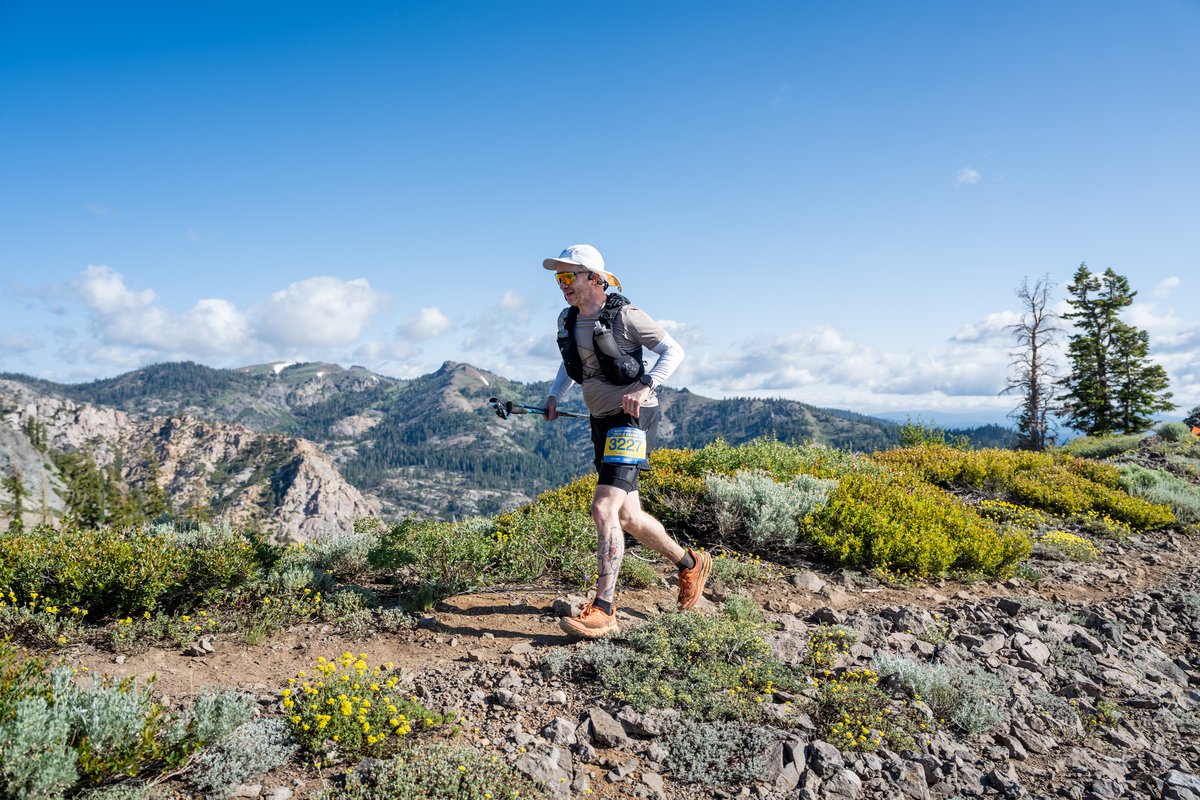
The second loop started the same way the first one ended: warm, clear, legs still cooperating. Around the KT-22 lift crossing near the top of the ridge, it started to snow lightly. I noted it with surprise, but not concern. Then, along the exposed saddle between KT-22 and Washeshu Peak, I mentioned to a runner next to me that the clouds building to the south looked very ominous. Through my sunglasses they had a dark gray cast that I did not love.
By the time I was climbing the steep ascent to the top of the Headwall lift, the storm was in full effect. Visibility dropped, wind was driving icy snow horizontally, and several loud thunder booms clapped. I stopped on the trail to pull on a jacket, which I was glad I had. As I moved up towards the summit, a race staff member directed me to keep heading upward. I assumed towards a shelter but it was unclear. At this point I was concerned, I was prepared but honestly did not have all the gear I typically carry in unsupported events or training runs in higher elevations. An organized event can be a blindspot for preparation, this was a real reminder of what can happen at high elevation and I was near the highest point of the race. Right below Washeshu Peak, a ski patrol cabin greeted me and that's where the race ended for now.
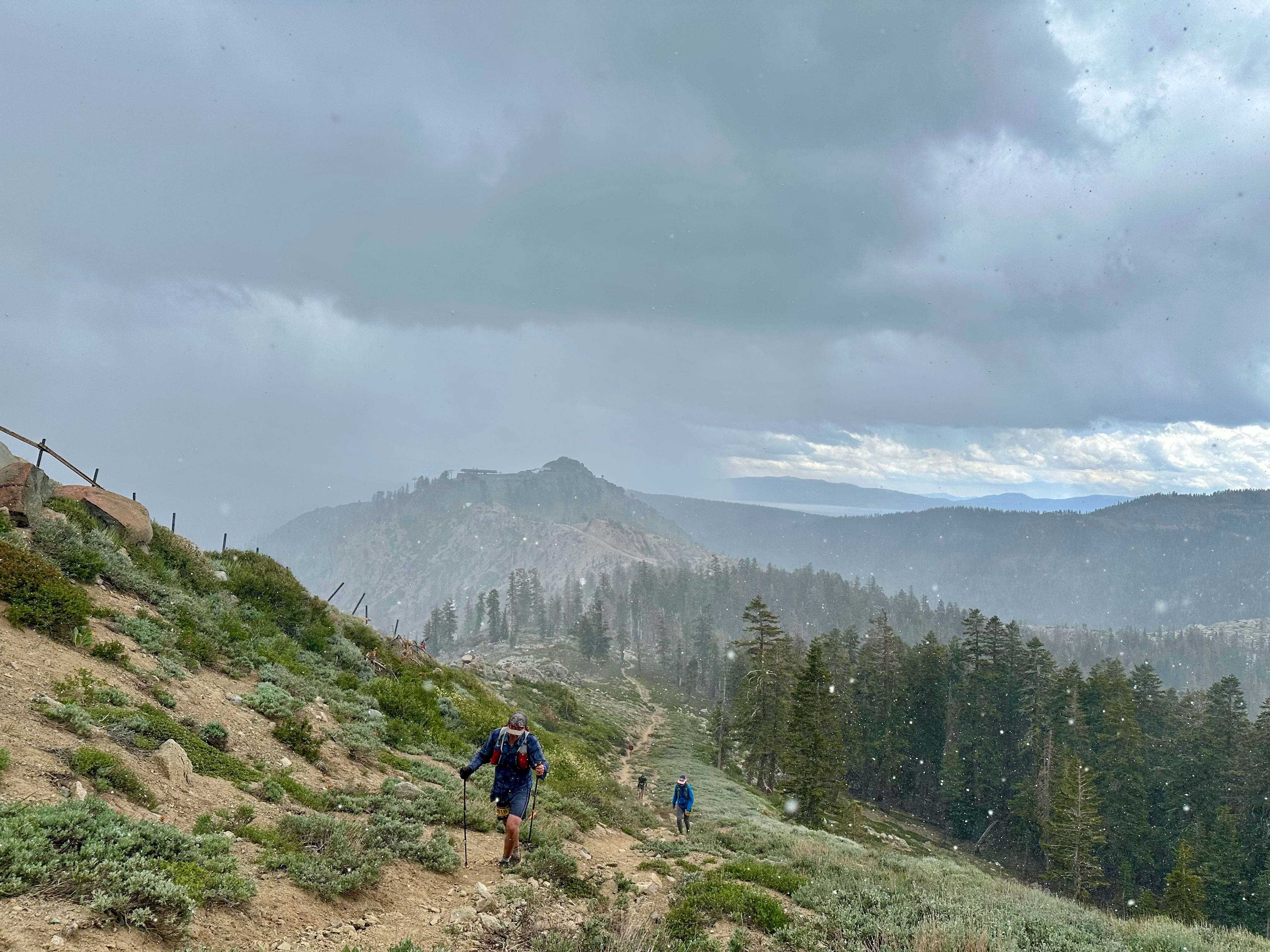
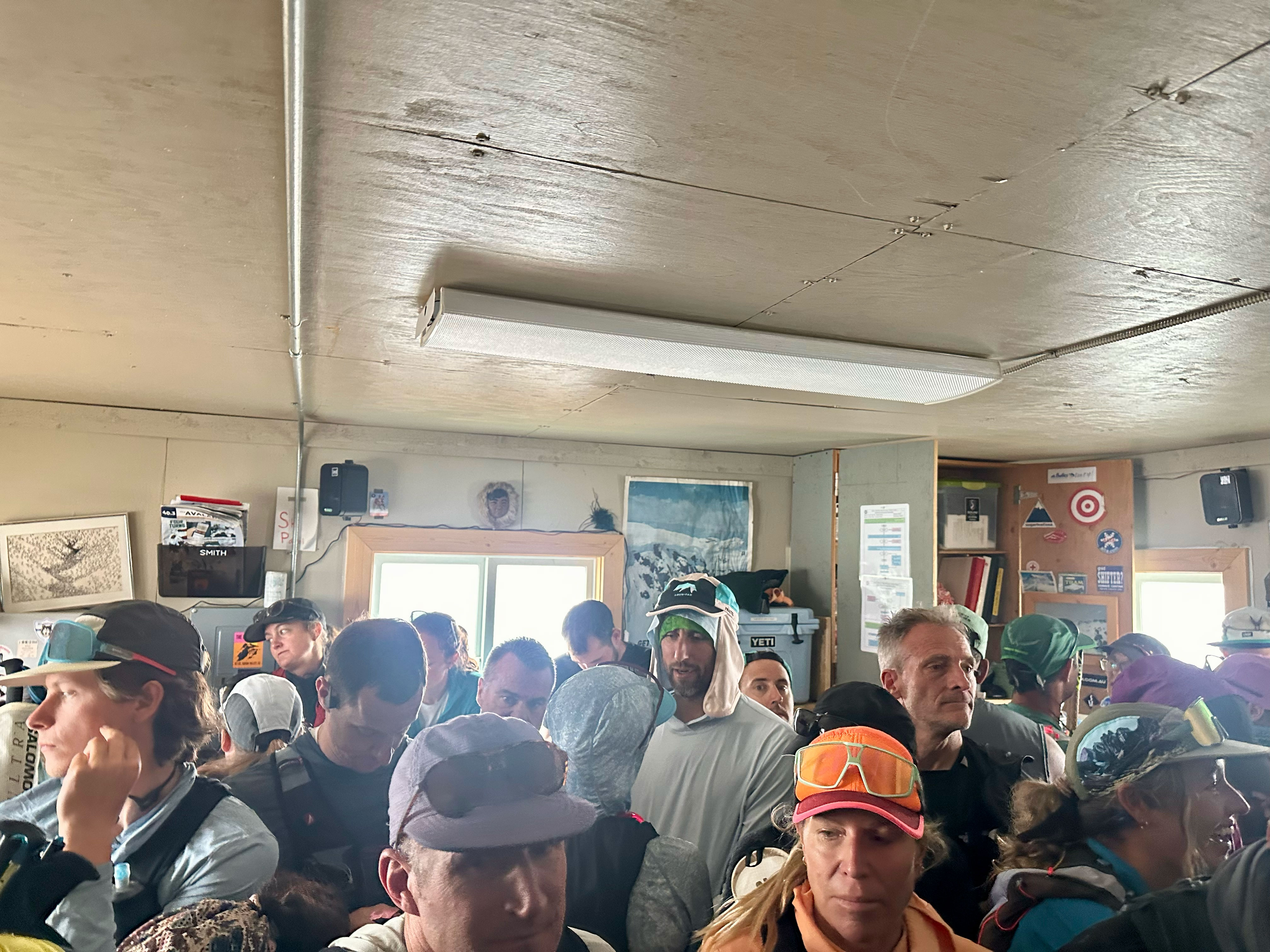
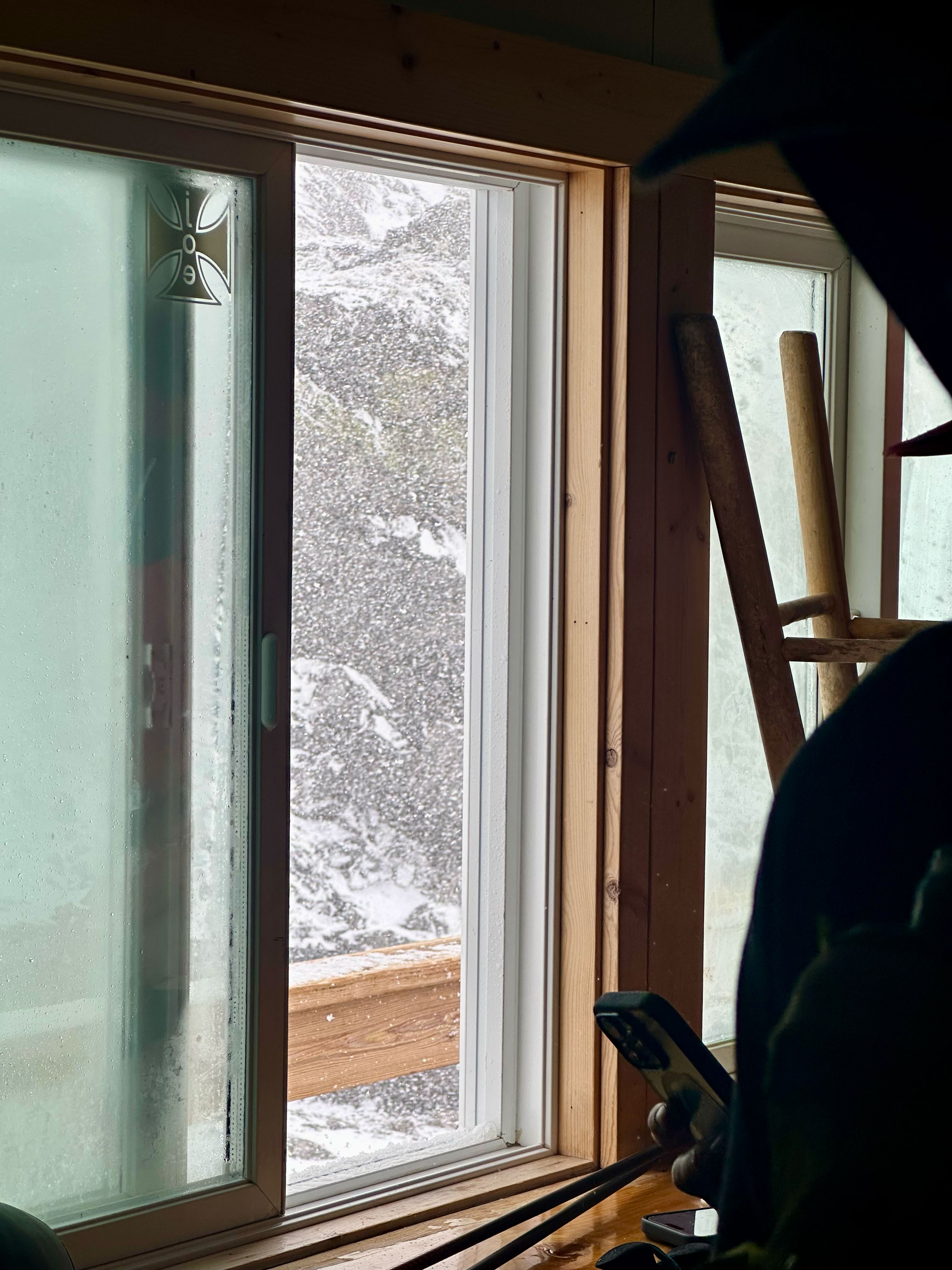
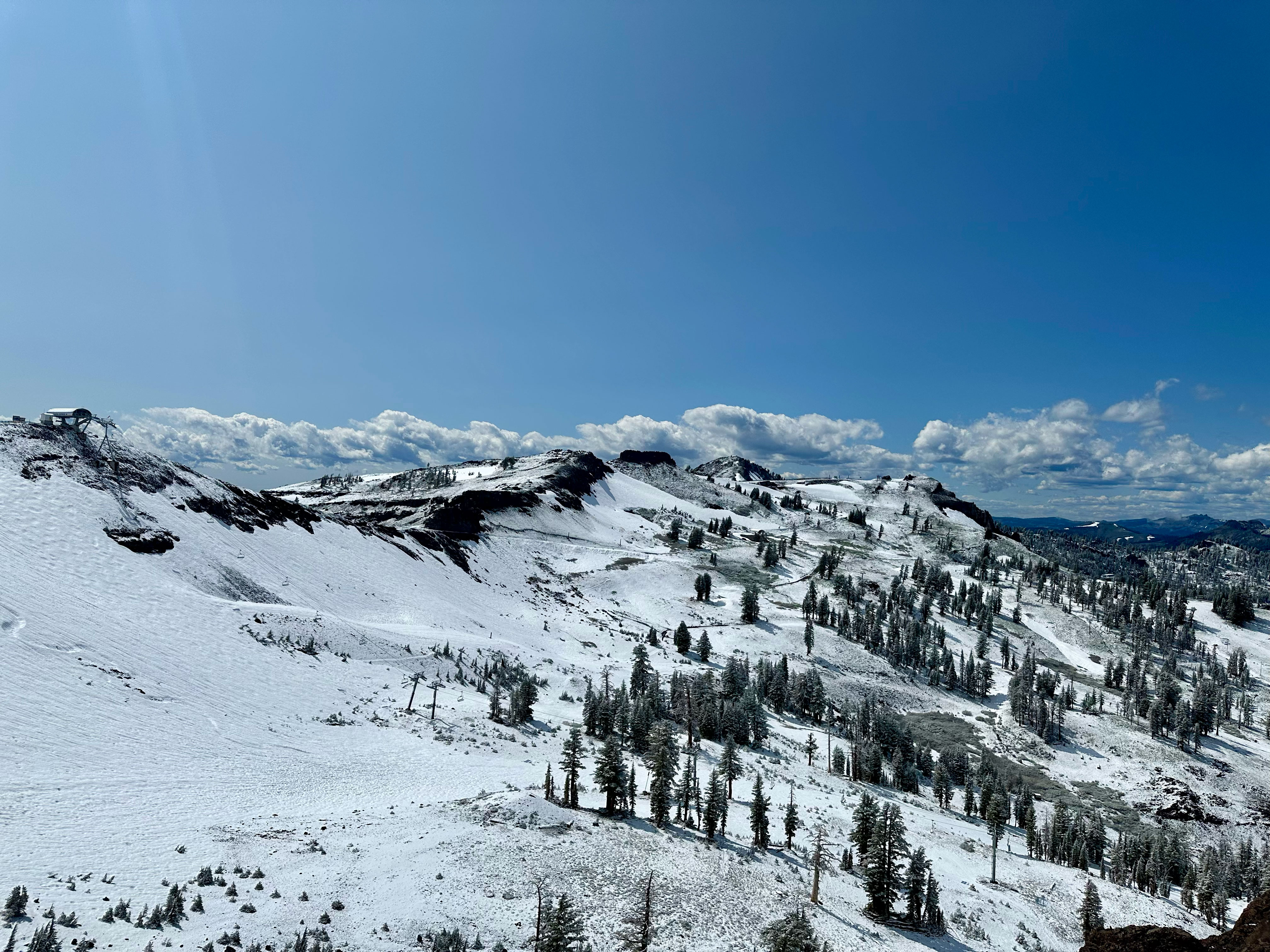
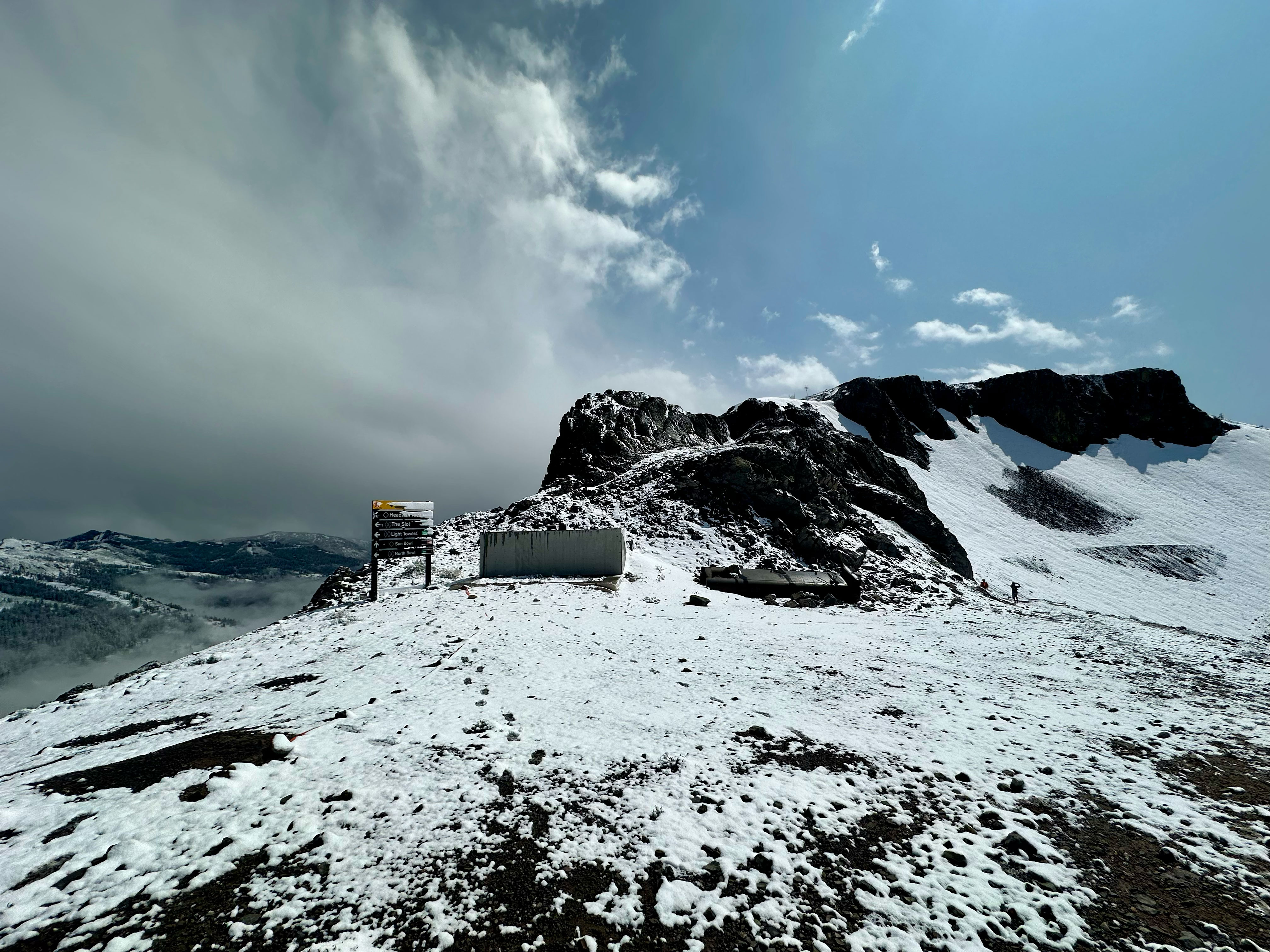
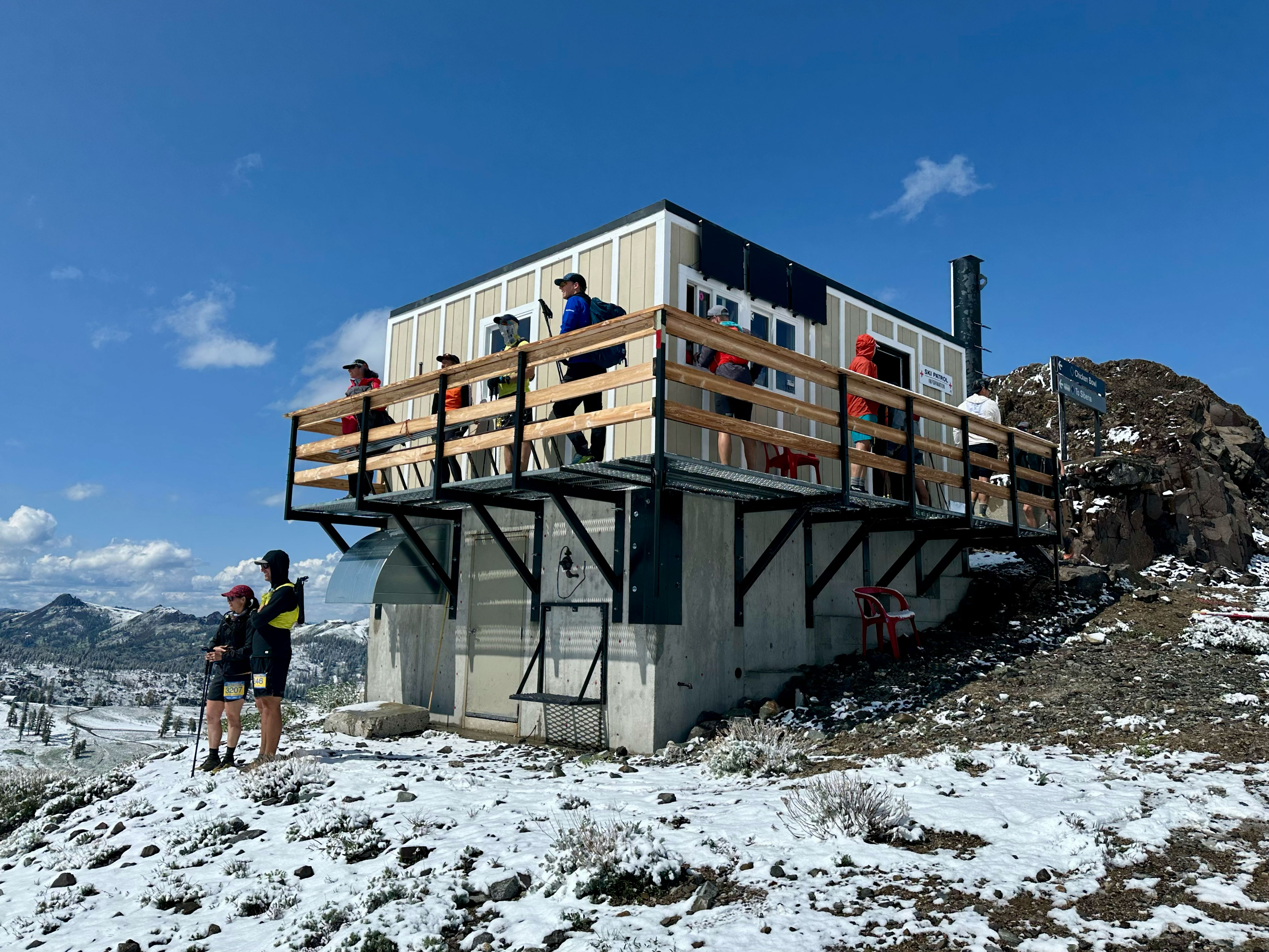
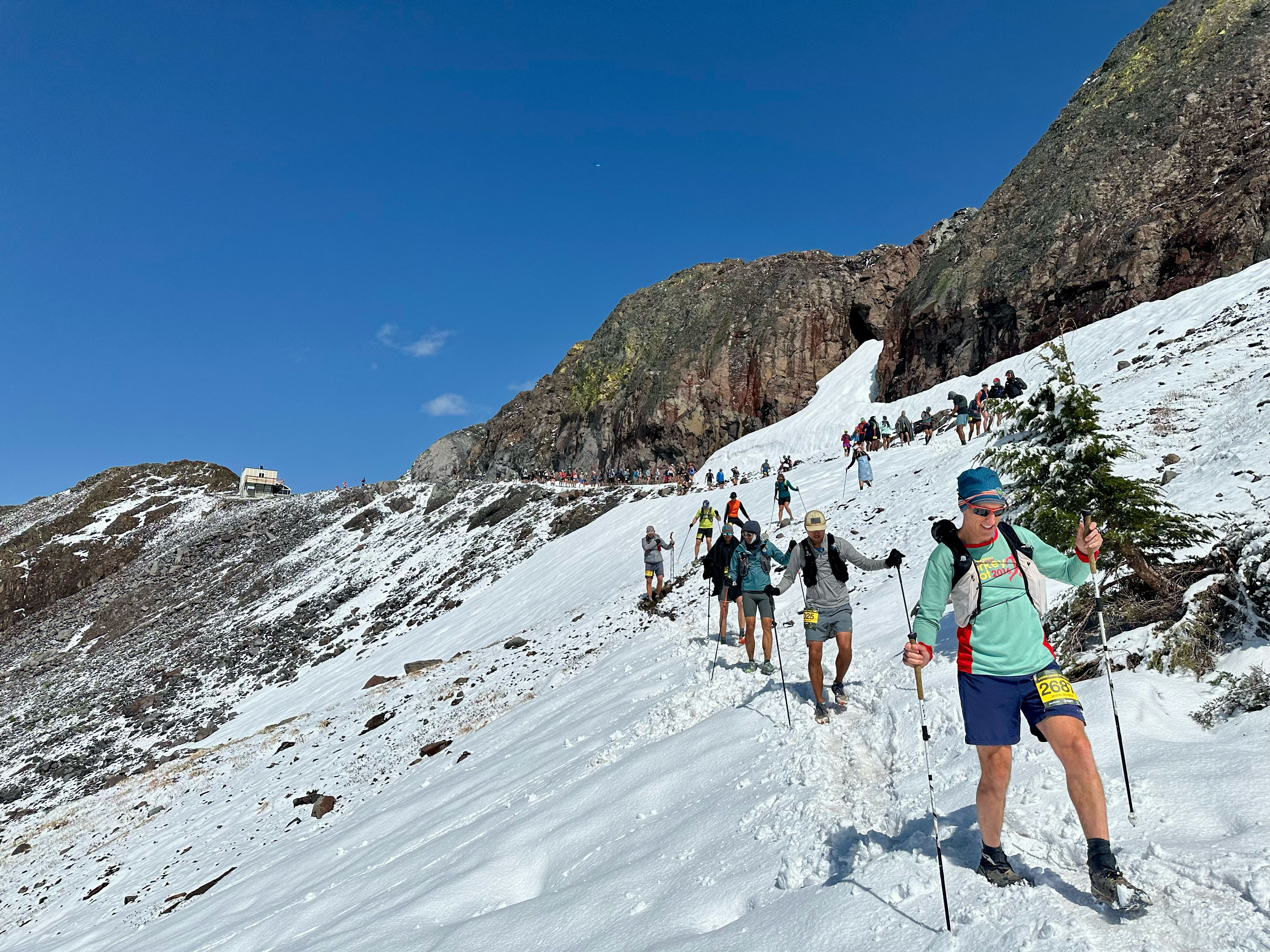
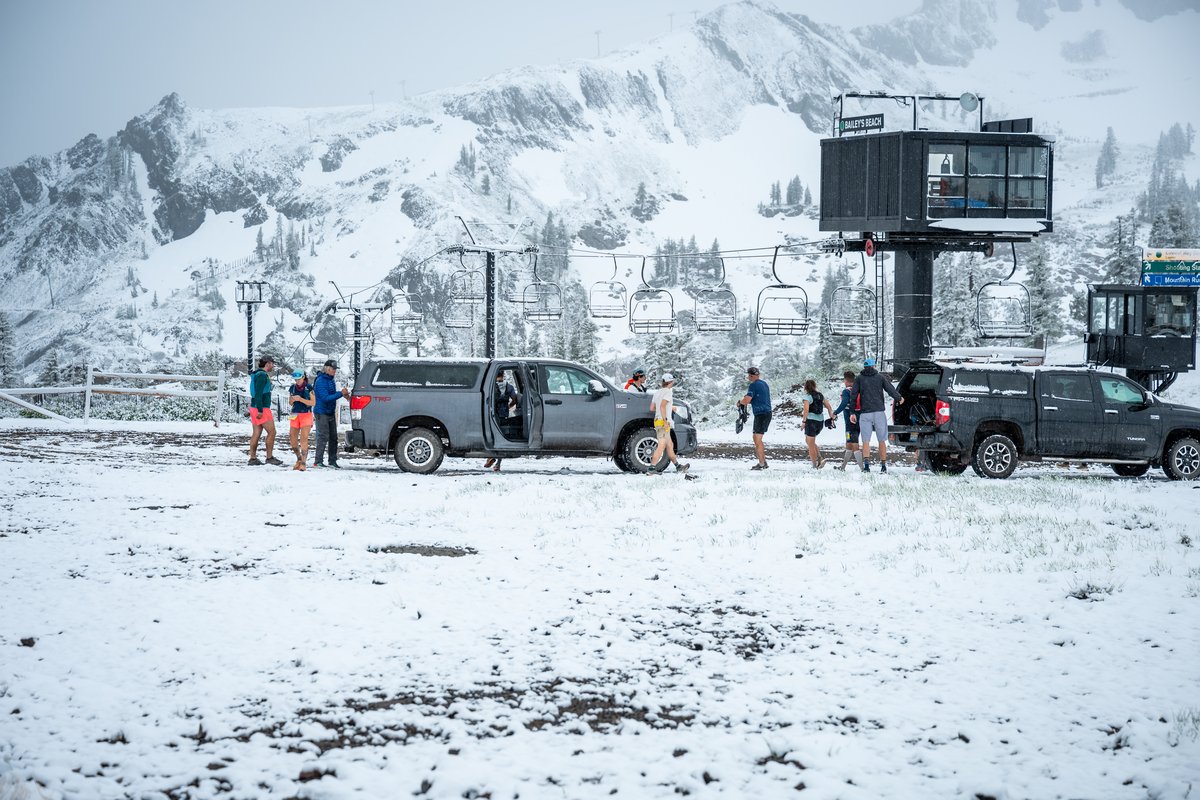
The Storm – Before, During, and After (Image 1 of 7)
About 100 other runners were also sheltered in the ski patrol cabin near the top of the Headwall lift. The race staff was organized and clear: the race was closed for safety. We waited ad eventually the race was offiically cancelled and safety protocols were put in place. After a couple of hours, the storm passed as quickly as it arrived, the sky returned to blue. I walked out of the shelter to a mountain landscape that was now completely white. We hiked as a group down to a lower lodge where vans were waiting to bring us the rest of the way down to the base.
The 46k results show 553 starters and 163 finishers before the course closure. Most of the field was somewhere on the mountain when the storm hit. The whole thing was a good reminder of what high-alpine terrain can produce in June when the conditions decide to turn.
Day 4: The 23k
All of the snow from Saturday was gone by Sunday morning. The mountain looked like it had never seen a flake. Blue sky, warm temperatures, the same course that had been white 18 hours earlier now back to rock, dirt, and summer wildflowers.
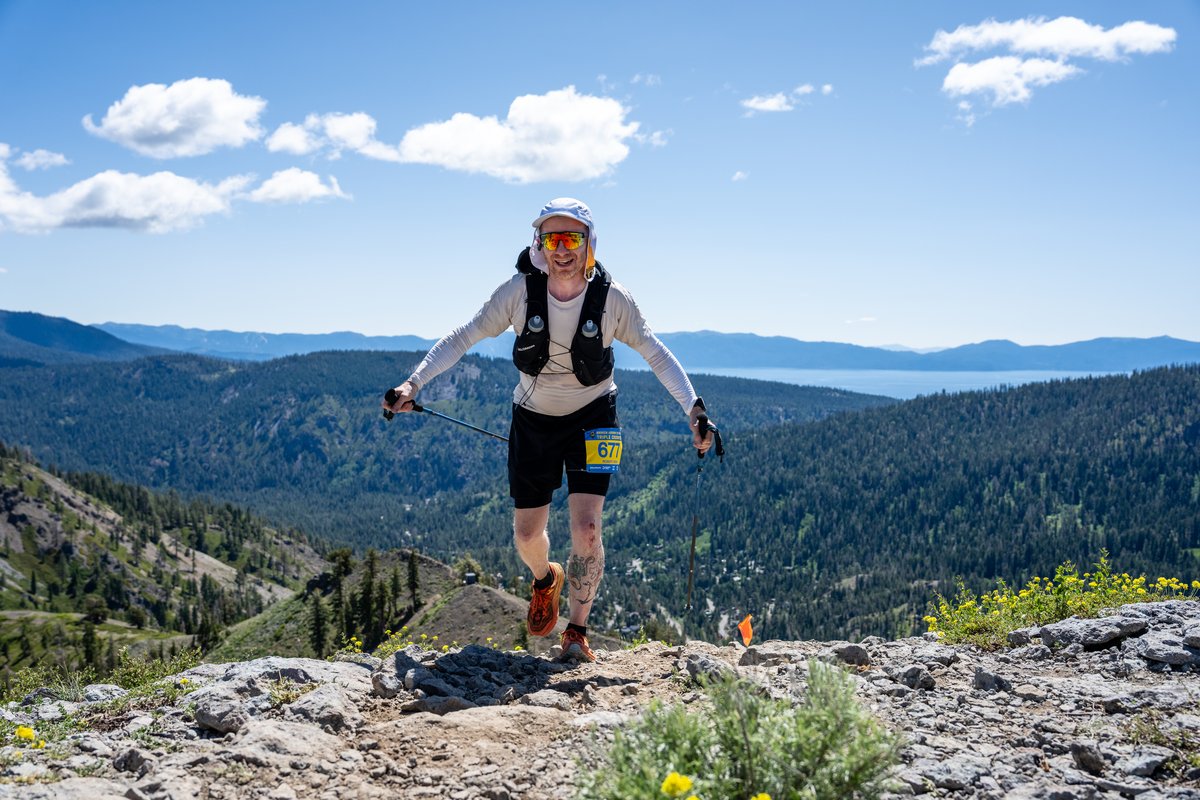
Whatever nerves I had carried into Friday were gone by Sunday. The terrain felt familiar, the legs felt reasonable, and I moved through the 23k at a pace that felt genuinely enjoyable. I climbed the access road up to Snow King, then up nd over Red Dog Ridge and KT-22 before once again ascending Headwall Ridge to reach the Stairway to Heaven ladder, the signature feature of the course.
The ladder is bolted to the rock face below the summit and you use your hands on the iron rungs to climb the final exposed section. It is not difficult climbing, but it's a unique feature that creates a unique moment as you reach the highest point in the course at around 9000ft. A long queue of runners stretched down the ridge below me as we scrambled up the ladder.
I took in the views as I descended into Shirley Canyon. This is the wettest part of the course with a significant amount of snow fields, running water and mud. From there, there's one more small, punchy & snow-covered climb out of the Canyon up to High Camp. At the aid station here, you can opt-in to a shot of whiskey before starting the descent down to the finish. This last section is mostly single-track with varying terrain (Dirt, loose rocks, & switchbacks), mostly enjoyable and flowy with a fee execptions.
Overall
The Broken Arrow Skyrace is a genuinely well-run event. The skyrace format is fairly unique in the USA, Mammoth Trail Fest being one of the few others with a similar shape.
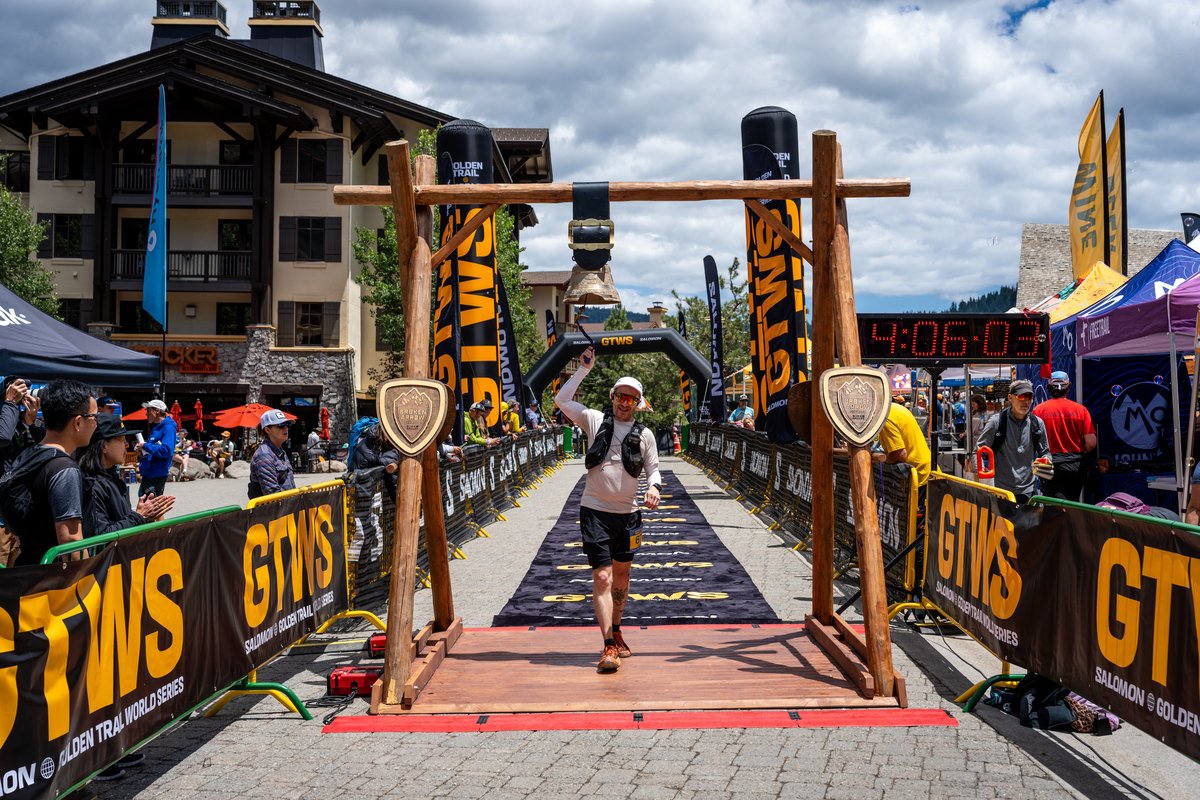
The logistics are tight for a three-day mountain festival, the aid stations are well-stocked (Tailwind and Neversecond gels throughout, real food at the key stops), and the village atmosphere over the weekend is hard to match. The swag bag alone is remarkable: this was the final year of Salomon's sponsorship with Nike ACG representing this year. Hopefully they deliver the same high quality and wearable gear that Salmon did. The organization's response to the Saturday storm was measured and professional. Closing the course mid-race is the right call when lightning is in play, and the communication and logistics around it were solid.
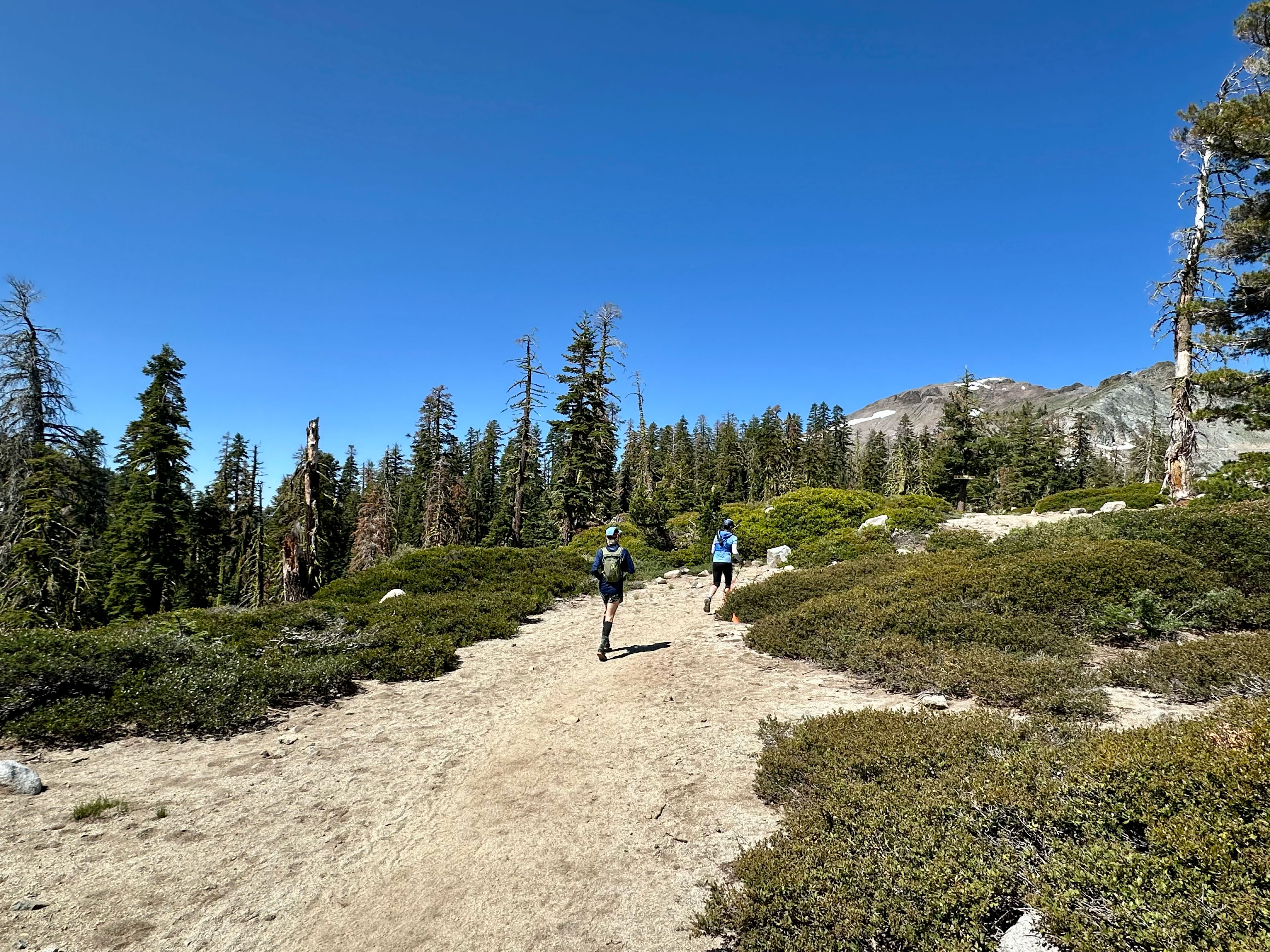
On the terrain: coming from the East Coast, I found it more approachable than expected. The climbs are real but not long by Adirondack or New Hampshire standards, and the footing is generally more forgiving than anything in the Whites or the High Peaks. The elevation is the variable that matters most. It affected my sleep across the whole trip, and fatigue from poor sleep compounded across three consecutive race days in ways I did not fully anticipate.
The Triple Crown is the best way to do this event if you are making a trip from the East Coast. The individual races are each accomplishable. The three-day cumulative effort is what makes it a real undertaking, and finishing as a Triple Crown finisher is a different experience than any single day would have been.
Would I return? Yes, if the calendar and the travel worked out. It is a long way from New York, and that is genuinely the limiting factor. But it belongs on the list of events worth building around, and the 2026 edition with the prize purse expansion and the new sponsorship will be worth watching. California is on the map for my 50-states goal, and this one checked the box in a very memorable way.
4-Day Totals
- 5 Activities
- Distance: 45.1 mi
- Elevation gain: 15518 ft
- Moving time: 13h 15m
Gear Highlights
- Hoka Speedgoat 5 — The choice for all three days - held up well on mixed terrain from rocky singletrack to snow fields.
- Janji 5" Ultra Shorts — Mid-weight construction with enough pockets to carry nutrition without relying on the vest for everything.
- Janji All Day Tee — Lightweight and dependable across all three race days.
- Ciele GOCapPYN-2-Comp-NineZero — The neck protection was worth it on a fully exposed course with no shade above the treeline.
- PEARL iZUMi Sun Sleeves — Useful sun protection on a course that spends most of its miles above treeline.
- Julbo Ultimate Sunglasses — High-alpine light is no joke at 9,000 feet — quality eyewear made a real difference across three days.
- Salomon Adv Skin 12 — Carried hydration, nutrition & extra layers across three consecutive race days without issue.
- Salomon Custom Quiver — Kept the poles secure on the vest between technical sections without slowing transitions.
- Black Diamond Carbon Z Poles — Lightweight, high quality & reliable on rocky terrain.
Tips
- Rent a car. Palisades Tahoe is not conveniently served by rideshare from Reno, and being carless in the village limits your options significantly.
- Bring your own groceries. Food options inside the village are restaurant-only and priced accordingly. Stock up before you arrive.
- Plan for altitude affecting your sleep, even if the racing feels manageable. At 6,200 feet the effort during the day may feel fine while the recovery at night is worse than expected.
- If you are traveling from the East Coast, register for the Triple Crown. All three races are individually approachable, and the three-day experience is the point of making the trip.
- Sunglasses matter more here than at most races. The course is largely above treeline with full sun exposure, and the elevation intensifies the UV. Bring quality eyewear built for the mountains.
- Plan to register early and beat the waitlist, the event sells out quickly. The waitlist is a good backup plan as the list has good movement as the race data approaches.
More Info & Links
- Broken Arrow Skyrace — Official Site: Course maps, race formats, and full event info including the Ascent, 23k, 46k, and Triple Crown options.
- Register on UltraSignup: Registration opens to the general public in December. Triple Crown spots (200 total) go fast.
- 2025 Results — UltraSignup: Full results for the 2025 edition including Triple Crown cumulative times.